Why Standards Matter in IoT: Agree the Interface Before You Write the Firmware
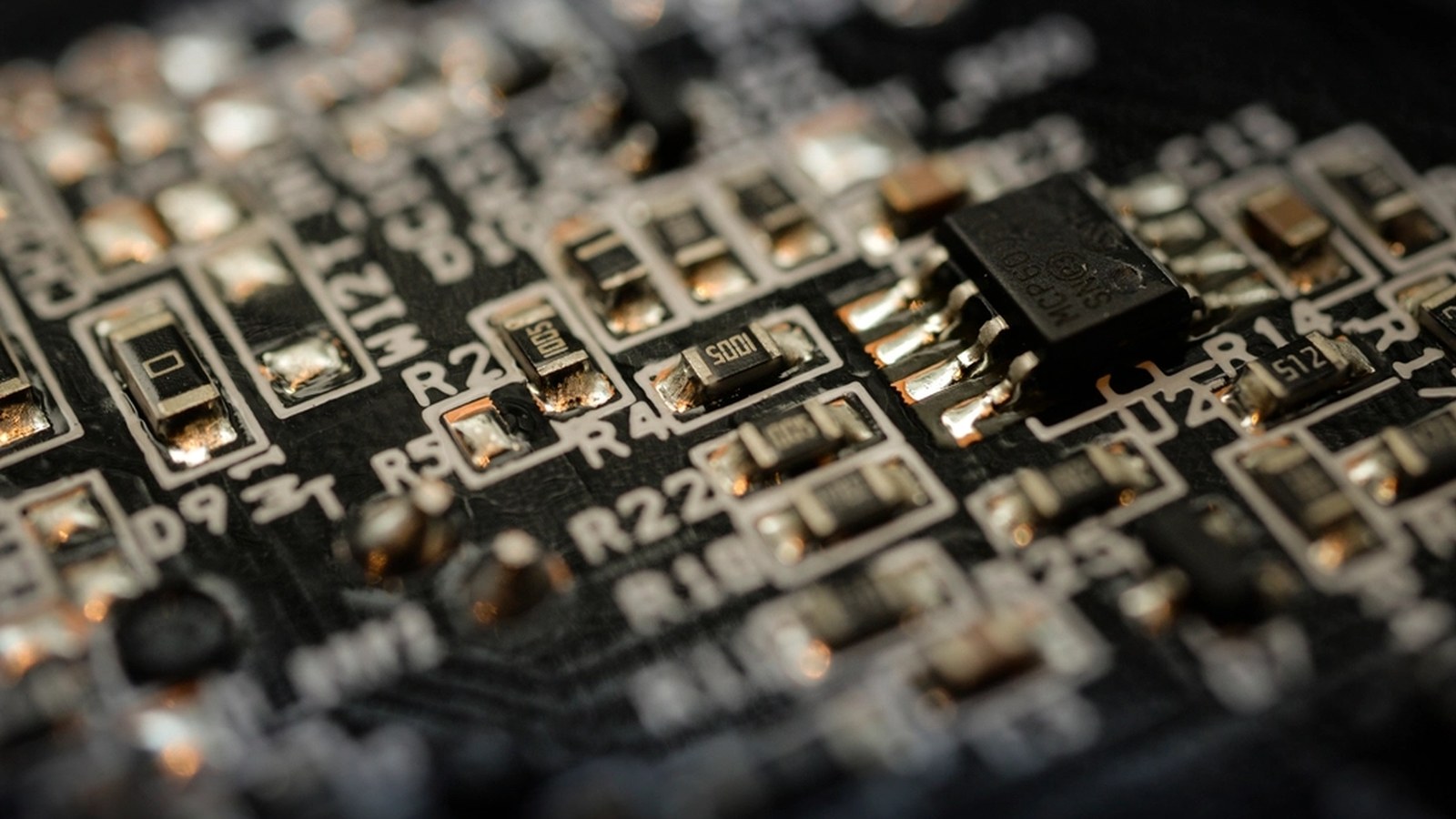
Two devices that should talk to each other, and do not. In IoT projects, this is one of the most common and most expensive problems, and it is rarely a coding bug. It is usually an agreement nobody made.
What goes missing
Before any firmware is written, a connected product needs answers to questions like these:
- Which protocol will the devices use to communicate?
- What does a message look like: fields, units, formats?
- Who retries when a message is lost, and how many times?
- What does a device do when the cloud is unreachable?
- How will devices be updated, and what happens if an update fails?
When these are left open, each team fills in its own assumptions, and the mismatch appears late, during integration.
Three habits that save weeks
1. Prefer established protocols over inventing your own. Well-known protocols come with documentation, tooling, test utilities and people who already understand them. A custom protocol becomes a maintenance burden you own forever.
2. Write the interface down before the firmware. A short interface document, agreed by everyone involved, is cheaper than any amount of debugging later. It should be specific enough that two teams can build their halves without talking to each other.
3. Test against a device you did not build. Your own devices will happily accept your own mistakes. A third-party device, a reference implementation or a test harness written by someone else exposes the assumptions you did not know you had.
Why this matters on World Standards Day
World Standards Day, observed on 14 October, recognizes the agreements that let products from different makers and different eras work together. In IoT, that is the difference between a product that scales and one that needs rework with every new device.
Interfaces first
At Adyakshar Labs, we design IoT systems from embedded firmware and sensor integration to the cloud, with the interfaces agreed up front and documented plainly.
Planning an IoT product? Contact info@adyaksharlabs.com or visit adyaksharlabs.com.